

Site Engineers operate at the point where design intent meets construction reality. Their role is rarely confined to drawings or setting out alone. In practice, Site Engineers are central to how information moves across site and how technical decisions translate into buildable outcomes.
Across projects in Ireland and the UK, the effectiveness of a Site Engineer is shaped less by pace and more by coordination, clarity, and timing.
Information flow defines effectiveness
One of the most significant factors in site engineering is the quality and timing of information. Drawings, specifications, technical queries, and revisions all arrive at different stages of the programme. How that information is managed determines whether engineering work supports delivery or reacts to it.
In controlled environments, information is coordinated early. Changes are communicated clearly, technical queries are resolved promptly, and sequencing allows Engineers to plan work logically. This enables setting out and technical checks to be carried out accurately and efficiently.
Where information arrives late or inconsistently, engineering work becomes reactive. Decisions are made under pressure, increasing the risk of error and rework. Over time, this undermines confidence and slows progress across the site.
Setting out as a coordination function
Setting out is often viewed as a technical task, but in practice it is a coordination function. Accuracy depends not only on measurement but on alignment with sequencing, access, and trade interfaces.
Strong Site Engineer roles allow time and structure for setting out to be planned properly. This includes checking information, coordinating with Site Managers, and understanding downstream activities.
When setting out is rushed due to programme pressure or late information, small inaccuracies can escalate into larger issues. These issues then consume time and attention that could have been avoided through better coordination.
Quality control in live environments

Quality control is a continuous process, not a final check. Site Engineers play a key role in maintaining standards through inspections, verification, and early identification of issues.
On well-run sites, quality checks are integrated into daily workflows. Engineers have the time and authority to address issues before work progresses too far.
In less structured environments, quality control becomes secondary to speed. Issues are identified late, when correction is more disruptive and costly. This increases pressure on both engineering and site management functions.
Integration with site management
Site Engineers add most value when integrated closely with Site Managers. Alignment on sequencing, priorities, and constraints allows technical work to support programme objectives.
When communication between engineering and site management is consistent, issues are identified earlier and resolved more effectively. When alignment is weak, duplication and delay increase.
Strong integration also improves decision-making. Technical implications are understood alongside programme considerations, reducing the likelihood of rework or compromise.
Managing technical responsibility
As projects progress, technical responsibility often increases. Engineers are expected to take ownership of coordination, checks, and problem-solving under live conditions.
Roles that balance responsibility with support allow Engineers to develop judgement and confidence. Review, discussion, and structured problem-solving strengthen technical capability.
Where responsibility increases without support, exposure grows faster than learning. This limits development and increases risk, particularly on complex projects.
Learning through structured delivery
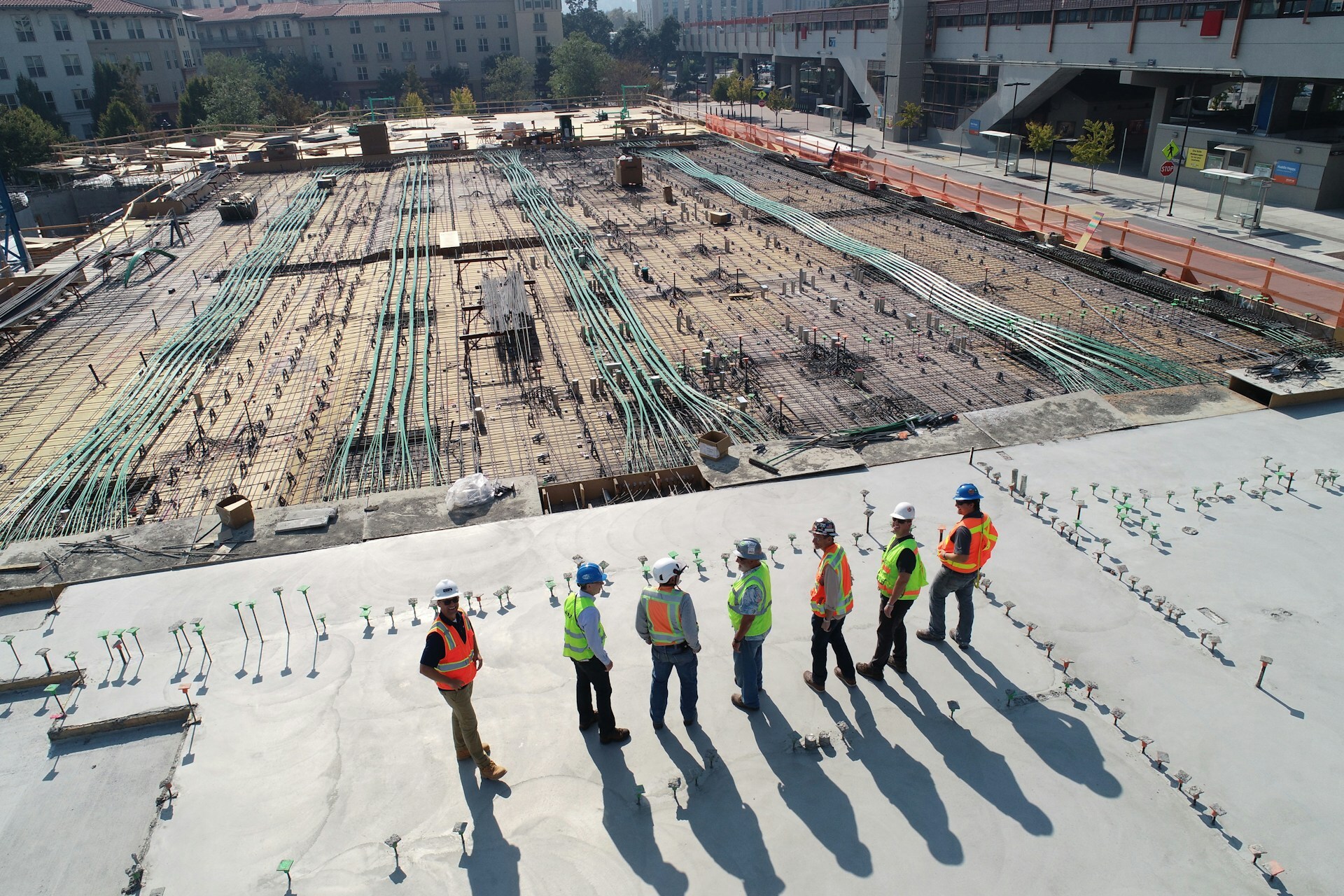
Experience gained in structured environments compounds over time. Engineers build a deeper understanding of sequencing, coordination, and technical decision-making.
In reactive environments, experience is gained through firefighting. While this builds resilience, it often limits technical depth. The focus shifts to solving immediate problems rather than developing robust engineering judgement.
Over time, this difference shapes capability and effectiveness on future projects.
Technical coordination as value creation
The value Site Engineers bring lies in coordination. Aligning information, sequencing, and execution reduces rework, improves quality, and supports programme control.
Projects that recognise this create space for Engineers to plan, review, and coordinate rather than constantly react.
What strong site engineering looks like
Strong site engineering is not defined by speed alone. It is defined by clarity of information, quality of coordination, and integration with delivery teams.
Where these elements are present, Site Engineers support smoother delivery and reduce pressure across the site. Where they are absent, technical roles become reactive and strained.
Over time, the difference becomes visible not just in outcomes, but in how manageable the role remains once the programme is fully underway.